
AuthorDeirdre Smith, ADHD Life Coach, writes about how ADHD impacts people with the brain type and the people who love them. ArchivesCategories |
Back to Blog
Putting Your ADHD Brain to Sleep5/1/2024 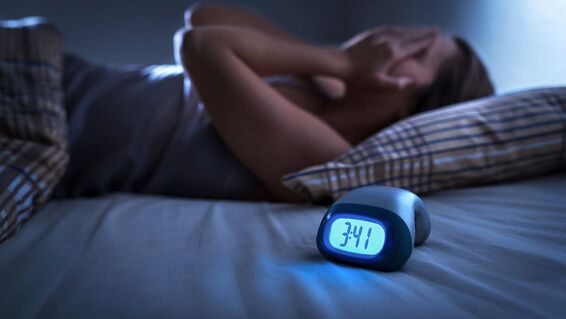 Sleeping with ADHD may seem like an oxymoron, as most adults with ADHD struggle to get to sleep, stay asleep, and/or wake up. Maybe you have a combination of all those challenges! It’s estimated that 25% to 50% of adults with ADHD have problems with sleep.
Sleep is the core foundation for living well. With good sleep, our days are easier. Executive function challenges like planning, prioritizing, organizing, and decision-making are all a bit less challenging with a well-rested brain. When I work with coaching clients, we often address sleep early on because It’s a common challenge that, when addressed, can have significant positive impacts on their everyday lives. This article addresses the challenges of falling asleep. Check out my other sleep-related posts on sleep routines, daytime sleepiness, and hacks for waking up easier. You’re not alone Over 70% of adults with ADHD report having trouble falling asleep at night. Our minds are Ferraris all day long but they don’t run out of gas at 10 pm every night. They will happily keep throwing ideas at us every hour of the day & night. About an hour before your natural sleep time, you may experience a burst of energy, this happens to most people, with or without ADHD. But the ADHD brain may think it’s time to start a project or dig into something interesting which will then make it harder to relax when you want to start sleeping. Instead of thinking it’s time to get stuff done, take that last burst of energy to get ready for sleep and do your sleep routine. (add link to sleep routine post). An active option is to do some stretching which will help your body relax into sleep. Plus, stretching is something we usually put off doing, but it’s essential for our physical health (or so my trainer repeatedly tells me). Ways to Guide Your Active Mind Into Sleep Your brain is going to keep generating thoughts unless you give it something to do. Here are some ideas to try out:
Because our active minds will stay active, it’s important to not let them wander on their own when trying to go to sleep. Keep that for the daytime when you’re creating and problem-solving. With a great night's sleep, you’ll be in better shape to harness the power stored in your ADHD brain. There are things you can do before you even get around to laying your head on the pillow. Check out my blog on sleep routines for tips on preparing your brain and body for sleep.
0 Comments
Back to Blog
 If the term “Sleep Routines” causes you to want to run, stay with me for a minute. The word “routine” may be repelling and it grates me too. That said, creating a set group of things you do before you go to bed is one of the best things you can do to improve the quality of your sleep. So call it what you want…a ritual, recipe, habit, pattern, and let’s understand why a sleep routine is important. Imagine parking your car in a garage while going 70 mph. That’s what you're trying to do if you go-go-go all day and then jump into bed scrolling on your phone hoping that will relax you into sleep. Your brain and body need to slow down and get ready to sleep. One issue I hear often is “I get a burst of energy before bedtime so I take advantage of it and then end up going to sleep way later than I intended”. And it’s legit! Our bodies do experience an increase in energy about an hour before our natural sleep time. The key is to let it pass. Starting a project or doing something interesting will get dopamine flowing, which makes it harder for you to fall asleep. If you need to move, try doing a boring task that lets you move but isn’t interesting enough to keep you moving. Sleep Routine = Transition From Active Time to Sleep Time Creating a wind-down to sleep routine is one of the best things you can do to improve the quality of your sleep, especially if you have trouble falling asleep. Here are some general guidelines or suggestions to try out and see what combination works for you:
Pick 1 or 2 of these tips to try out and see if you notice your brain and body slowing down and getting ready to fall asleep. Want some more tips on getting better sleep? Check out my "10 Habits for Superior Sleep"! |

 RSS Feed
HoursM-F: 9:00-5:00
|
Telephone201.674.1474
|
|
Copyright 2012-2024